
 See Our Latest Article on HelloNation
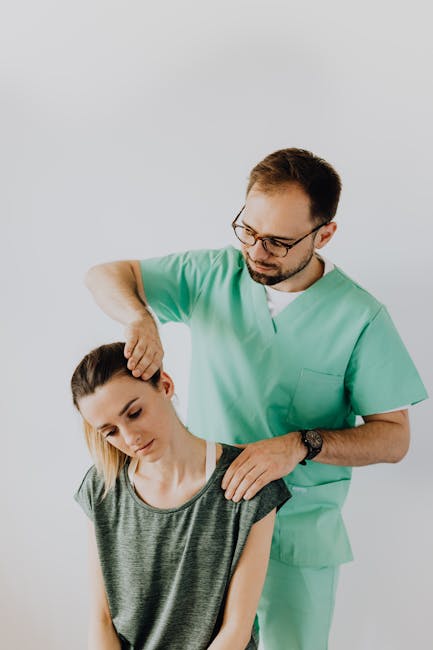
Do you sometimes experience tingling, numbness, or unexplained weakness in your hands or feet? Are you a Highlands, NY resident who enjoys active weekends at Storm King State Park, but lately, muscle pain is slowing you down? These could be early warning signs of nerve compression—an often overlooked but potentially serious condition. Understanding the early signs and knowing how your local lifestyle might contribute can help you address issues before they become debilitating.
What Is Nerve Compression?
Nerve compression, also known as a pinched nerve, occurs when surrounding tissues like bones, cartilage, muscles, or tendons put too much pressure on a nerve. This pressure disrupts the nerve’s functioning, leading to pain, tingling, numbness, or muscle weakness. While it can happen anywhere, nerve compression is especially common in the neck, lower back, and wrists.
Why Nerve Health Matters in Highlands, NY
Highlands, NY, is a beautiful place for staying active—whether hiking Bear Mountain, taking long scenic drives, or doing yard work. But repetitive motion, heavy lifting, or even long hours at a computer can raise your risk for nerve compression. The local climate also means chilly winters, which can worsen muscle tightness and nerve symptoms if outdoor activities take a backseat and sedentary habits increase.
Common Early Warning Signs of Nerve Compression
Recognizing the first signs of nerve compression is crucial for effective intervention. The quicker you address them, the better your chance of recovery.
- Tingling or Pins and Needles Sensations: This classic sign often starts gradually and may be more noticeable after certain activities—like long bike rides on Highlands’ trails or shoveling snow in winter.
- Numbness: If you notice numbness in an arm, hand, leg, or foot, pay attention. This often points to nerve irritation, especially if the sensation is persistent.
- Localized Pain or Discomfort: A sharp or burning pain in the shoulders, neck, lower back, or wrists can indicate a nerve under pressure. High-impact activities or repetitive chores can aggravate these symptoms.
- Unexplained Muscle Weakness: Ignoring subtle muscle weakness, like trouble gripping gardening tools or difficulty lifting household items, can lead to more severe functional limitations.
- Radiating Pain: Pain that shoots down your arm or leg—from hip to foot or from neck to hand—often signals nerve root compression, such as sciatica or cervical radiculopathy.
- Muscle Spasms or Twitching: These can be a direct result of nerve signals being altered by compression.
How Local Activities in Highlands, NY May Affect Nerve Compression
Highlanders love their outdoor and seasonal activities. But these can sometimes put you at risk:
- Outdoor Recreation: Hiking, cycling, or kayaking can place increased strain on shoulders, lower back, and wrists, raising the risk of repetitive use injuries.
- Home Maintenance: Snow shoveling, gardening, or moving firewood involves bending, twisting, and heavy lifting, which can pinch nerves in the spine.
- Remote Work: If you're part of the growing work-from-home crowd in the Highlands area, long periods in poor ergonomic positions at your desk can increase risk for nerve issues, especially carpal tunnel syndrome.
Recognizing that local lifestyle factors may contribute to these symptoms helps you stay vigilant and protect your nerve health.
What Conditions Are Linked to Nerve Compression?
The most common conditions associated with nerve compression include:
- Carpal Tunnel Syndrome: Compression of the median nerve in the wrist. Often seen in people who work extensively on computers or do repetitive hand movements.
- Sciatica: Compression of the sciatic nerve, causing pain down the buttock and leg, frequently triggered by prolonged sitting, poor posture, or heavy lifting.
- Cervical Radiculopathy: When a nerve in the neck is compressed, leading to shoulder and arm symptoms. Often associated with poor posture or nighttime positioning.
- Thoracic Outlet Syndrome: Compression of nerves (and sometimes blood vessels) above the first rib and behind the collarbone, which can be brought on by repetitive overhead activities.
When to Seek Professional Help
If you live in Highlands, NY, and you notice worsening pain, decreased function, or persistent numbness or tingling, it’s time to seek evaluation from a qualified healthcare professional. Early intervention is the key to a faster and more complete recovery. A chiropractic evaluation can help identify nerve compression, pinpoint the underlying cause, and provide guidance on personalized ergonomic adjustments and stretches.
Preventive Tips for Highlands, NY Residents
Stay active and healthy with these nerve-friendly strategies:
- Warm Up First: Whether raking leaves or heading out for a hike, always start with gentle stretches to loosen tight muscles.
- Take Breaks: If you’re doing repetitive work or sitting for long periods, set a timer to remind yourself to stretch or change positions every 30–60 minutes.
- Maintain Good Posture: Whether at your desk or lifting heavy items, pay attention to posture to reduce stress on your spine and nerves.
- Use Ergonomic Equipment: Invest in supportive chairs, lumbar supports, and wrist rests, especially if working from home.
- Stay Hydrated and Maintain a Healthy Weight: Hydrated tissues recover better from strain, and maintaining a healthy weight reduces pressure on the spine and nerves.
- Listen to Your Body: Minor discomfort is your body’s way of signaling potential problems—address small issues before they become chronic.
Conclusion
Nerve compression can creep up slowly, often disguised as minor annoyances. But for the active and engaged community of Highlands, NY, staying aware of the early signs means you can continue to enjoy the trails, lakes, and lifestyle you love. If you notice tingling, numbness, radiating pain, or muscle weakness, don’t ignore it. Early action will keep you moving freely for years to come.
