
 See Our Latest Article on HelloNation
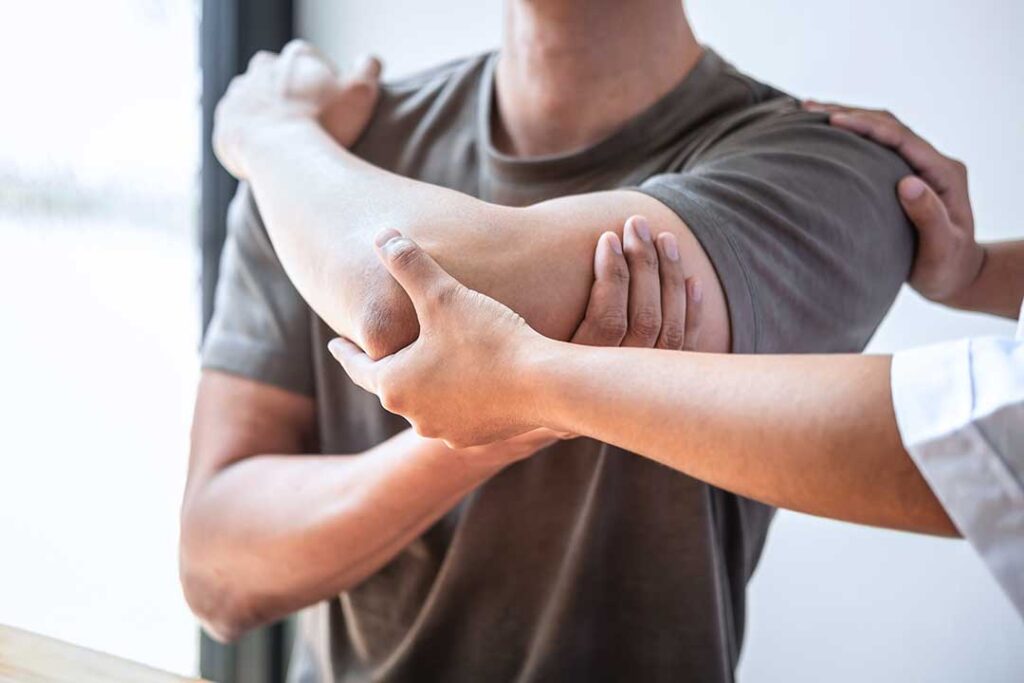
What is the main difference between chiropractic care and massage therapy?
Chiropractic care generally focuses on assessing and treating movement-related problems involving joints, the spine, nerves, and the musculoskeletal system. Massage therapy focuses primarily on the body’s soft tissues, including muscles, tendons, ligaments, and fascia.
The two approaches can overlap, but they are not interchangeable. Chiropractic visits may include joint mobilization, spinal manipulation, exercise guidance, and soft-tissue techniques. Massage therapy typically uses hands-on pressure, kneading, stretching, and other methods intended to affect muscle tension, circulation, comfort, and relaxation. ([nccih.nih.gov](https://www.nccih.nih.gov/health/spinal-manipulation-what-you-need-to-know?utm_source=openai))
For a resident dealing with back stiffness after shoveling, neck tension from desk work, or soreness after a long day of physical activity, the most suitable approach depends on what appears to be causing the symptoms—not simply where the discomfort is located.
What does a chiropractic visit usually involve?
A chiropractic evaluation commonly begins with questions about symptoms, past injuries, medications, medical conditions, activity levels, and daily habits. The practitioner may examine posture, range of motion, strength, reflexes, and other physical findings before deciding whether hands-on care is appropriate.
Treatment may include:
- Spinal manipulation, sometimes called an adjustment
- Gentler joint mobilization
- Soft-tissue work
- Stretching or strengthening exercises
- Advice about movement, sleep, lifting, or workstation habits
Spinal manipulation uses a controlled force to move a joint, while mobilization generally stays within the joint’s normal range without a thrust. Chiropractic care is most often used for musculoskeletal concerns such as back pain, neck pain, and some types of headaches. Evidence suggests spinal manipulation can provide modest improvement for some people with acute or chronic low-back pain, but it is one option among several, including exercise and massage. ([nccih.nih.gov](https://www.nccih.nih.gov/health/spinal-manipulation-what-you-need-to-know?utm_source=openai))
A chiropractic visit should not be viewed as a general treatment for unrelated internal diseases. Research has not established clear benefits for spinal manipulation as a treatment for non-musculoskeletal conditions such as high blood pressure or menstrual cramps. ([nccih.nih.gov](https://www.nccih.nih.gov/health/spinal-manipulation-what-you-need-to-know?utm_source=openai))
What does massage therapy usually involve?
Massage therapy applies pressure and movement to soft tissues. Depending on the technique and the person’s goals, a session may involve broad, gentle strokes, deeper pressure, sustained compression, stretching, or focused work on a particular muscle group.
Massage is often chosen for:
- General muscle tightness
- Temporary soreness after activity
- Stress-related tension
- Limited comfort with movement caused by muscle guarding
- Relaxation and body awareness
Massage does not typically aim to reposition spinal joints or perform a spinal adjustment. Its effects may be more noticeable in the muscles and nervous system than in joint mobility. For some people, the main benefit is reduced muscle tension and an improved sense of comfort rather than a change in spinal movement.
Research on massage varies by condition, technique, and treatment schedule. A person may feel better after a session, but temporary relief does not necessarily identify the underlying cause of pain. Persistent or recurring symptoms deserve a broader health assessment.
Which approach is better for back or neck pain?
Neither treatment is automatically better. The appropriate choice depends on the suspected source of the problem, the person’s health history, and the goals of care.
Chiropractic care may be considered when symptoms appear related to restricted joint movement, mechanical back pain, or neck discomfort that changes with posture and motion. Massage may be more appealing when muscle tightness, stress, physical overuse, or localized soreness seems to be the main concern.
For example, someone who spends a weekend doing yardwork or clearing heavy, wet snow may develop both muscle soreness and restricted movement. Massage may help with the soft-tissue component, while an evaluation focused on joint motion may be more useful if stiffness or movement-related pain persists.
Low-back pain can respond to several non-drug approaches. Current evidence does not support assuming that one hands-on method works for every person. Exercise, education, gradual activity, medical evaluation, and self-management may be important parts of care as well. ([nccih.nih.gov](https://www.nccih.nih.gov/health/spinal-manipulation-what-you-need-to-know?utm_source=openai))
Can chiropractic care and massage therapy be used together?
They can sometimes be combined, but coordination matters. Massage may reduce muscle guarding or provide short-term comfort, while chiropractic care may address joint movement and include exercise or activity guidance.
Using both approaches does not guarantee better results. It is useful to clarify:
- What problem is each treatment intended to address?
- How will improvement be measured?
- What should happen if symptoms worsen?
- Are there medical conditions or medications that change the safety considerations?

A treatment plan should be based on findings and reasonable goals rather than an assumption that repeated sessions are necessary.
Are there safety differences?
Both approaches are generally considered low risk for many healthy adults when appropriately provided, but neither is risk-free.
After spinal manipulation, temporary soreness, stiffness, headache, or increased discomfort can occur and often resolves within a short period. Serious complications are very rare, but serious spinal or neurological problems have been reported. Neck manipulation deserves particular caution because rare artery injuries and stroke have been discussed in the medical literature. People should disclose relevant health conditions, medications, previous injuries, osteoporosis, unusual neurological symptoms, and recent trauma before treatment. ([nccih.nih.gov](https://www.nccih.nih.gov/health/spinal-manipulation-what-you-need-to-know?utm_source=openai))
Massage may also cause temporary soreness or bruising, especially with vigorous pressure. Extra caution may be needed with bleeding disorders, blood-thinning medication, skin infections, recent surgery, fractures, severe osteoporosis, or unexplained swelling. Vigorous massage should not be used to mask symptoms that have not been evaluated.
Pregnancy, cancer treatment, recent injury, and significant medical conditions warrant individualized guidance before either approach is considered.
When should hands-on treatment wait?
New or severe symptoms may require medical evaluation before massage or spinal manipulation. Prompt attention is especially important for:
- New weakness, numbness, or loss of coordination
- Loss of bladder or bowel control
- Severe pain after a fall, crash, or other trauma
- Fever, unexplained weight loss, or signs of infection
- Chest pain, shortness of breath, or abdominal symptoms
- A severe, unusual headache or sudden neurological change
These warning signs can indicate problems that hands-on treatment is not designed to diagnose or manage.
For less urgent symptoms, the practical question is whether the problem is improving. Mild soreness after seasonal activity may settle with relative rest, comfortable movement, heat or ice as appropriate, and a gradual return to normal activity. Pain that persists, repeatedly returns, or interferes with sleep, work, walking, or household tasks deserves a careful assessment.
How can someone choose between the two?
Start by identifying the primary goal. If the goal is relaxation or relief from generalized muscle tension, massage may fit better. If the concern involves recurring joint-related stiffness, movement limitations, or a need for exercise and self-management guidance, chiropractic evaluation may be more relevant.
A person does not have to choose based only on the label of the therapy. A qualified practitioner should explain the assessment, expected benefits, possible risks, alternatives, and signs that another type of medical care is needed. Clear communication is especially useful for local residents whose symptoms may fluctuate with winter conditions, home maintenance, commuting, recreation, or changes in activity across the seasons.
