
 See Our Latest Article on HelloNation
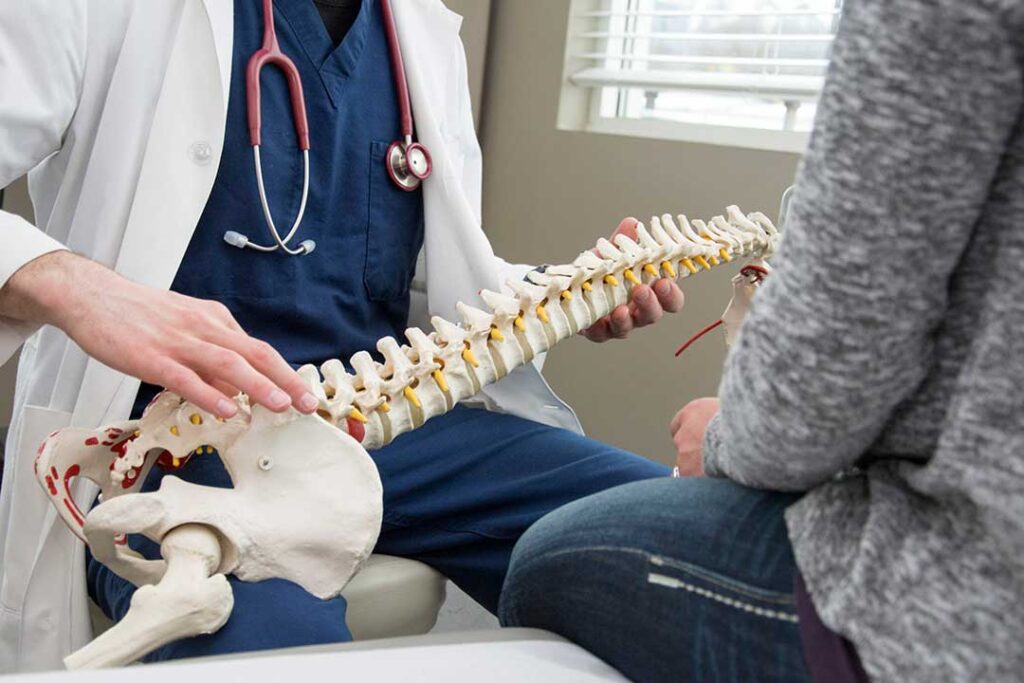
What does spinal health have to do with quality of life?
Spinal health affects much more than whether a person has back pain. The spine supports movement, protects the spinal cord, helps maintain balance, and works with muscles and joints throughout the body. When the back or neck becomes painful or stiff, ordinary activities such as sleeping, driving, working, walking, lifting, and participating in family life may become more difficult.
Quality of life is often shaped by function: what a person can do comfortably, consistently, and confidently. Persistent spinal symptoms can gradually reduce activity, disturb sleep, affect mood, and lead people to avoid activities they once enjoyed. Back pain is also common; nearly everyone experiences it at some point, and many episodes improve over time with appropriate self-care and gradual return to movement. ([medlineplus.gov](https://medlineplus.gov/backpain.html?utm_source=openai))
How can spinal problems affect everyday movement?
The spine does not work alone. It coordinates with the hips, shoulders, pelvis, abdominal muscles, and legs to help the body bend, rotate, reach, and remain upright. Pain or restricted movement in one area can change how a person moves elsewhere.
For example, a person with low-back discomfort may:
- Take shorter steps or avoid stairs
- Shift weight to one side while standing
- Have trouble bending to put on shoes
- Limit lifting, gardening, household work, or recreation
- Spend more time sitting because movement feels uncomfortable
These changes may provide short-term relief but can also reduce strength and confidence if they continue. Extended bed rest is generally not helpful for routine back pain; staying active within reasonable limits is usually encouraged, with activity increased gradually as symptoms allow. ([medlineplus.gov](https://medlineplus.gov/backpain.html?utm_source=openai))
For residents of Highlands, seasonal routines can make this especially noticeable. Winter conditions may lead to more time indoors, while snow, ice, uneven ground, and heavier clothing can make walking and household tasks more physically demanding. During warmer months, yard work, hiking, home maintenance, and outdoor recreation may place sudden demands on a body that has been less active.
Can spinal health affect sleep and energy?
Yes. Back and neck discomfort may make it difficult to find a comfortable sleeping position or may cause repeated waking during the night. Poor sleep can then increase fatigue and make pain feel more difficult to manage the following day.
The relationship can work in both directions. Ongoing stress, inadequate sleep, anxiety, and depression may increase the frequency or severity of back pain for some people. This does not mean that symptoms are imaginary. Pain is a real experience influenced by physical, emotional, and environmental factors. Addressing sleep, stress, movement, and physical symptoms together can be more useful than focusing on posture or one structure alone. ([niams.nih.gov](https://www.niams.nih.gov/health-topics/back-pain?utm_source=openai))
Helpful habits may include:
- Keeping a regular sleep schedule
- Using a sleep position that feels supported rather than forcing a “perfect” posture
- Taking brief movement breaks during long periods of sitting
- Using relaxation techniques when muscle tension is linked with stress
- Returning to normal activities gradually after a painful episode
Does posture cause all back pain?
No. Posture can influence how forces are distributed through the spine, but there is no single ideal posture that prevents every problem. People can develop pain while sitting upright, standing, exercising, or resting. Likewise, a rounded posture is not automatically harmful if it is temporary and comfortable.
More useful questions include:
- Can the person change positions regularly?
- Is the workstation arranged so that the screen and frequently used items are easy to reach?
- Are lifting tasks shared or divided into manageable loads?
- Does the person have enough strength and mobility for the activity?
- Is pain worsening, spreading, or accompanied by other symptoms?
A comfortable, varied movement pattern is usually more practical than trying to hold the body rigidly throughout the day.
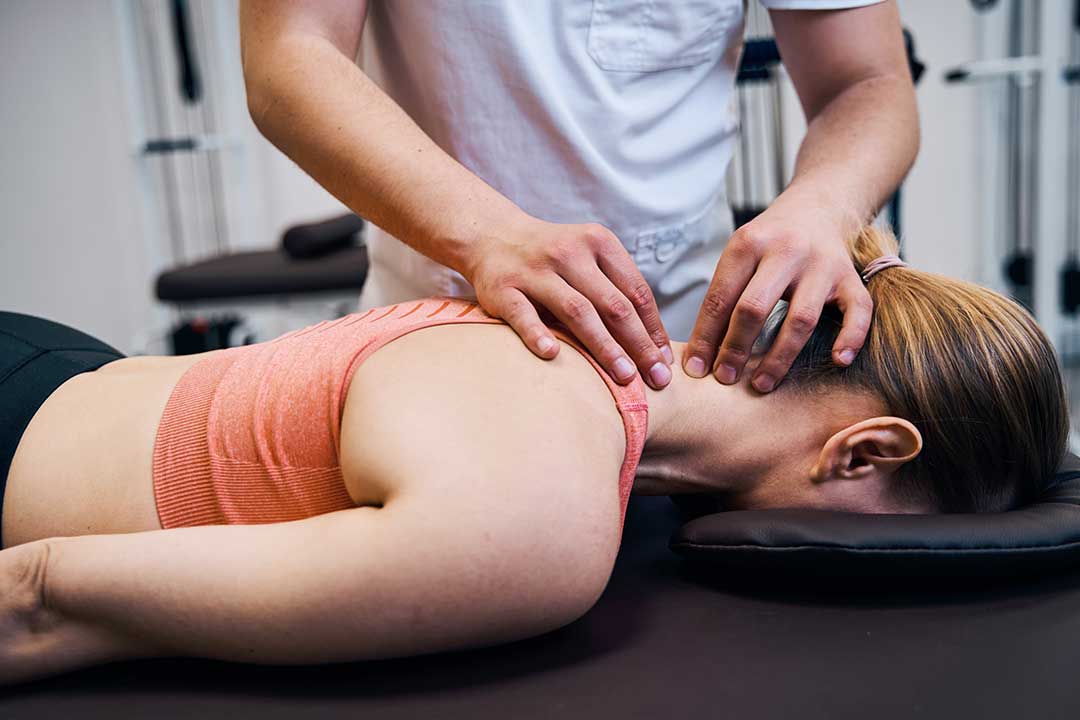
Why is regular movement important for spinal health?
Regular movement helps maintain muscle strength, joint mobility, balance, circulation, and confidence. It may also support overall physical and mental health. For someone experiencing back pain, the best activity is often the one that can be performed safely and consistently, such as walking, water-based exercise, gentle mobility work, or a gradual strengthening program.
Movement should be scaled to the individual. A person who has been inactive may begin with several short walks rather than one long outing. Someone who works at a desk may benefit from standing and changing positions periodically. A person doing seasonal household or outdoor work can reduce strain by warming up, alternating tasks, avoiding prolonged bent positions, and taking breaks before exhaustion sets in.
Exercise should not be used to push through severe, escalating, or neurologic symptoms. A healthcare evaluation may be appropriate when pain limits normal activity, persists, or repeatedly returns. Treatment depends on the cause and may involve exercise, education, medication, physical therapy, manual approaches, or other care. ([niams.nih.gov](https://www.niams.nih.gov/health-topics/back-pain/diagnosis-treatment-and-steps-to-take?utm_source=openai))
How can spinal health influence mood and social life?
Pain can narrow a person’s world. Someone may stop attending gatherings, playing with children, volunteering, exercising, or pursuing hobbies because of discomfort or fear of making symptoms worse. Reduced activity can contribute to isolation, frustration, and low mood.
This cycle is not a personal failure. Persistent pain can affect concentration, patience, sleep, and confidence. Setting manageable activity goals can help restore a sense of control. Those goals might include preparing a meal, walking for a few minutes, completing one household task, or returning gradually to a favorite activity.
Support from family members can also help. Practical assistance with heavy tasks is useful, but complete avoidance of normal movement may not be. Encouragement should focus on safe, gradual participation rather than pressure to ignore pain.
When does back or neck pain require prompt medical attention?
Most routine back pain is not an emergency, but certain symptoms should not be ignored. Prompt medical evaluation is appropriate for back pain associated with:
- New weakness or numbness in the legs, buttocks, or pelvic area
- Loss of bladder or bowel control
- Difficulty walking or maintaining balance
- Fever, unexplained weight loss, or a history of cancer
- Pain after a significant fall, collision, or other injury
- Severe pain that does not ease or prevents a comfortable position
- Pain that travels below the knee or is accompanied by progressive neurologic changes
A suspected neck or spinal cord injury, especially with loss of feeling or inability to move, requires emergency attention. ([medlineplus.gov](https://www.medlineplus.gov/ency/article/007425.htm?utm_source=openai))
For less urgent symptoms, keeping track of what increases or decreases discomfort can be useful. Note the location of pain, timing, activities involved, sleep effects, numbness or weakness, and how symptoms change over several days. That information can help guide an appropriate evaluation and distinguish a temporary strain from a problem needing further attention.
What does good spinal health look like?
Good spinal health does not mean having perfect posture or never feeling pain. It means having enough mobility, strength, and confidence to participate in daily life, while recognizing symptoms that deserve attention.
For local households, practical spinal care often comes down to varied movement, sensible lifting, gradual conditioning, adequate sleep, and early attention to persistent or unusual symptoms. The goal is not to protect the spine from every demand, but to help the body handle normal work, recreation, and seasonal activities with less fear and fewer avoidable limitations.
