
 See Our Latest Article on HelloNation
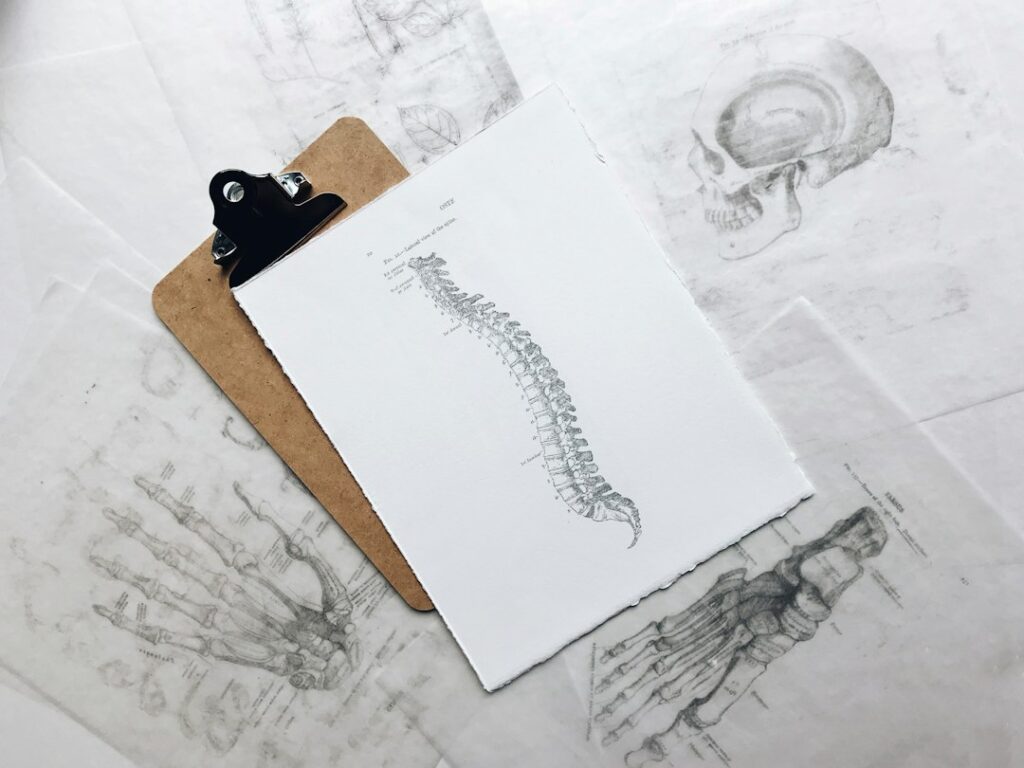
What is a spinal adjustment?
A spinal adjustment is a controlled manual force applied to a joint in the spine. The purpose is usually to influence pain, movement, and how the nervous system responds to mechanical stress. An adjustment is not the same as “putting a bone back into place,” and it does not permanently realign a spine in one session.
Chiropractic adjustments are one form of spinal manipulation. They may involve a quick, low-amplitude thrust or a slower, gentler technique. The choice depends on the person’s symptoms, examination findings, age, health history, comfort, and treatment goals.
Spinal mobilization is related but different. Mobilization uses repeated or sustained movements within a joint’s available range and does not involve the same quick thrust.
What happens inside the body during an adjustment?
The science suggests that spinal adjustments affect several systems at once rather than working through one simple mechanical action.
A controlled force can briefly move spinal joints, stretch surrounding tissues, and stimulate sensory receptors in muscles, ligaments, joint capsules, and skin. These receptors send information to the spinal cord and brain about pressure, movement, and position.
That incoming information may influence:
- How strongly pain signals are processed
- Muscle activity around the spine
- Joint movement and stiffness
- A person’s sense of confidence during movement
- The nervous system’s response to touch and mechanical pressure
The adjustment may also produce a popping sound. This sound is generally associated with a rapid change in pressure and gas within a joint, not a bone cracking or breaking. The sound itself is not proof that an adjustment was successful, and an effective treatment does not need to produce a pop.
Does an adjustment actually realign the spine?
Usually, the most accurate answer is no—not in the dramatic sense sometimes suggested.
Research has not established that routine spinal adjustments permanently move vertebrae into a new position or correct a “misalignment” that explains all pain. Small, short-term changes in joint motion can occur, but pain and movement are influenced by many factors, including muscle guarding, inflammation, sleep, stress, physical activity, previous injury, and nervous-system sensitivity.
For that reason, a better description is that an adjustment may temporarily improve how a stiff or painful region moves and how the nervous system interprets that movement. Longer-lasting improvement generally depends on broader factors such as regular activity, strengthening, recovery, and addressing the cause of repeated strain.
How can an adjustment reduce pain?
Pain is not simply a damage meter. It is an output of the nervous system based on incoming signals, prior experiences, tissue sensitivity, and the perceived safety of movement.
Spinal manipulation may reduce pain through several possible pathways:
Sensory “gating”
Strong, non-painful signals from movement and pressure can compete with pain signals as they travel through the nervous system. This may temporarily reduce the intensity of pain reaching conscious awareness.
Changes in spinal-cord processing
Studies have found short-term changes in reflexes and pain sensitivity after spinal manipulation. These findings suggest that an adjustment may influence how the spinal cord filters and responds to incoming signals.
Changes in muscle activity
Some people experience reduced protective muscle tension or improved muscle activation after a joint is moved. This can make ordinary movements feel less restricted.
Increased confidence in movement
A person who can turn, stand, or bend with less discomfort may become less guarded. That change can support normal activity and reduce the cycle of stiffness, fear, and avoidance.
These mechanisms are plausible and supported by laboratory and clinical research, but scientists have not identified one universal explanation. The benefits may result from a combination of joint movement, sensory input, expectation, hands-on care, and natural recovery.
What does the evidence show for common problems?
For acute and chronic low-back pain, spinal manipulation may provide modest improvements in pain and daily function for some adults. Its average benefits are generally similar in size to those of several other conservative treatments, such as exercise-based care.
For neck pain, manipulation or mobilization may help some people, particularly when combined with movement or exercise. The evidence is less consistent for long-term prevention or for conditions unrelated to the muscles, joints, and nerves of the spine.
Research does not support using spinal adjustments as a treatment for unrelated internal diseases such as high blood pressure, infections, or digestive disorders. Claims that adjustments can broadly “boost immunity,” correct organ function, or replace needed medical treatment go beyond the evidence.
Results also vary from person to person. A treatment that helps one resident with activity-related back pain may not be appropriate for someone with a fracture, progressive nerve symptoms, or a serious underlying illness.
Why might symptoms change after seasonal activity?
In Highlands, NY, residents may notice back or neck symptoms after shoveling, lifting stored items, moving firewood, gardening, home maintenance, or spending long periods driving. These activities can involve repeated bending, twisting, gripping, or working in cold conditions.
Cold weather does not automatically injure the spine, but it may encourage muscle stiffness and reduce warm-up time. Sudden increases in activity after a relatively inactive season can also irritate muscles and joints.

An adjustment may reduce stiffness or make movement more comfortable, but it does not remove the need for sensible load management. Gradually increasing activity, changing positions, using good lifting mechanics, and building trunk and leg strength can be just as relevant to recovery.
Are spinal adjustments safe?
For most appropriately screened adults, temporary soreness, stiffness, headache, or increased pain can occur after spinal manipulation. These effects commonly settle within about a day.
Serious complications are rare, but they have been reported. Neck manipulation deserves particular caution because sudden neck movement has been associated with cervical artery dissection, a rare tear in an artery that can lead to stroke. Research has not fully settled whether manipulation directly causes these events, because similar artery injuries can occur spontaneously or after ordinary neck strain.
A careful health history matters before treatment. Relevant information includes:
- Recent falls, accidents, or suspected fractures
- Osteoporosis or conditions that weaken bone
- Blood-clotting disorders or use of blood-thinning medication
- Cancer, infection, or unexplained fever
- Recent surgery
- Numbness, weakness, or changes in coordination
- Pregnancy or significant medical conditions
Urgent medical evaluation is appropriate for new loss of bladder or bowel control, numbness around the groin, rapidly worsening weakness, severe unexplained pain, fever with back pain, major trauma, or sudden neurological symptoms such as facial drooping, trouble speaking, severe dizziness, or loss of balance.
What should a realistic treatment plan include?
A sound approach should begin with an examination and a clear explanation of what is known and uncertain. Spinal manipulation may be used as one part of care rather than as a stand-alone solution.
A practical plan may also include:
- Gentle movement within tolerable limits
- Exercises to restore strength, endurance, or coordination
- Guidance on lifting, sitting, sleeping, or work-related activities
- Monitoring whether function improves over time
- Reassessment if symptoms fail to improve or become more severe
The most useful measure is not whether a joint makes a sound. It is whether pain, mobility, sleep, walking, work, or household activities improve without creating new problems.
IMAGE_ALT:
Clinician applying a controlled manual adjustment to a patient’s mid-back in a quiet treatment room.
