
 See Our Latest Article on HelloNation
What Is the Graston Technique?
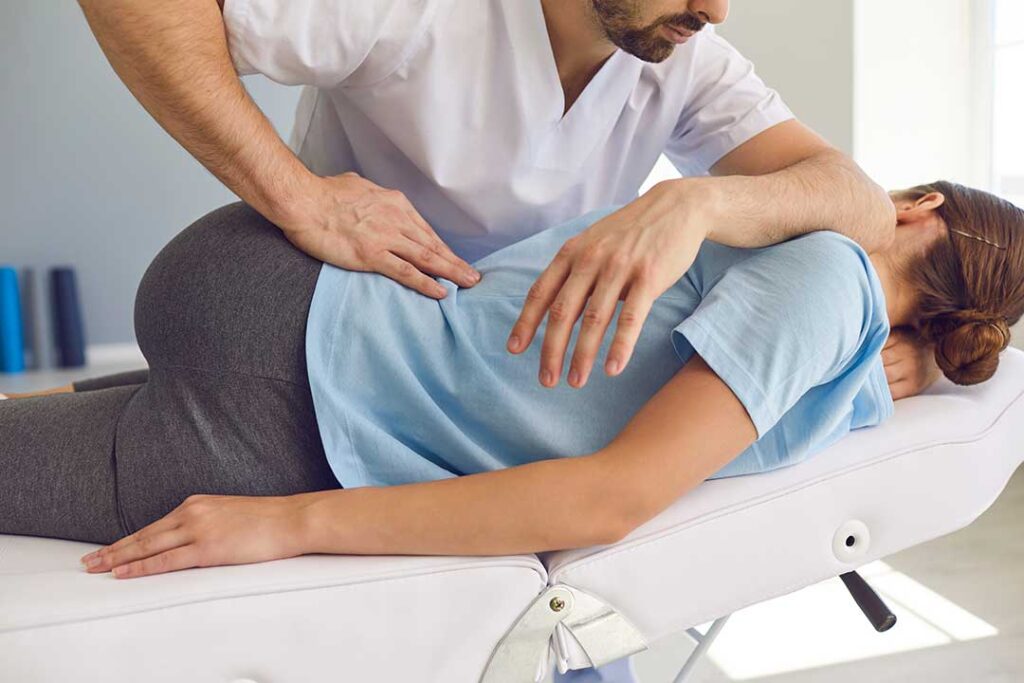
The Graston Technique is a form of manual therapy used by some chiropractors and physical therapists to address soft tissue restrictions. It involves specialized stainless steel instruments that glide along the skin to detect and treat scar tissue, muscle knots, or inflammation. Many people in Highlands, NY encounter this technique when seeking care for chronic pain, sports injuries, or stiffness that hasn’t improved with stretching alone.
This approach is classified as an instrument-assisted soft tissue mobilization. It aims to break down scar tissue and fascial restrictions, which can limit movement and cause discomfort. By targeting specific muscles or tendons, practitioners hope to improve mobility, ease pain, and help tissues heal more fully.
Why Do Chiropractors in Highlands Use the Graston Technique?
Chiropractors may choose this method if traditional adjustments aren’t enough to resolve soft tissue problems. It is commonly applied for:
- Tendonitis (such as tennis elbow)
- Plantar fasciitis in runners or walkers
- Persistent neck or back tightness
- Post-surgical scar tissue
- Shoulder impingement or limited range of motion
- Muscle strains from lifting or outdoor activities common in the region
Local residents often ask about this technique when recovering from repetitive stress (shoveling, typing, yardwork), athletic injuries, or after being immobilized by a cast or sling.
How Does a Graston Session Work?
A typical session begins with a brief assessment to locate trouble spots. The provider glides a series of handheld, blunt-edged tools over the skin, applying varied pressure based on tissue tension and feedback. Most people report a sensation of scraping or rolling, which sometimes causes mild temporary redness or small bruises.
Steps may include:
1. Warming up: Light aerobic activity or a heat pack can increase circulation.
2. Instrument treatment: Tools are used over tight or scarred regions for a few minutes.
3. Stretching and exercise: Gentle movement is added to promote flexibility and blood flow.
4. Post-treatment care: Ice or simple at-home movements may be recommended to minimize tenderness.
Sessions are usually brief, often 10–15 minutes for a specific body area, and may be repeated once or twice per week until symptoms improve.
Is the Graston Technique Painful or Risky?
Most people tolerate the Graston Technique well, but sensations can vary. Some describe mild to moderate discomfort during and right after treatment, similar to a deep massage. Temporary side effects can include redness, minor swelling, or light bruising that fades in a few days.
This method is considered safe when performed by a trained provider, but it’s not suitable for everyone. It may not be recommended for people with certain health conditions, including:
- Active infections or open wounds in the treatment area
- Blood clotting disorders or use of blood thinners
- Severe osteoporosis
Local guidelines and climate do not affect eligibility, but those prone to easy bruising, such as during the colder months, may wish to mention this before receiving care.
What Are the Benefits—And Limits—of the Graston Technique?
The main potential benefit is improved mobility, especially when stiffness or scar tissue hasn’t responded to stretching or exercise alone. Some Highlands residents find the technique supports recovery after overuse or repetitive winter activities, such as snow shoveling or hiking.
Reported benefits often include:
- Relief of tightness or aches
- Increased range of motion
- Reduced inflammation in targeted areas
- Enhanced recovery after an injury
However, the Graston Technique is not a stand-alone cure. It works best as part of a broader movement and rehabilitation plan. Results vary; some notice relief after one session, while others need multiple visits.
A common misconception is that more discomfort means better results. While some soreness can be expected, excessive pain or bruising is not necessary for the technique to be effective.
How Do Residents Know If This Technique Is Right for Them?
It may be appropriate for those with persistent soft tissue pain who haven’t gotten relief from traditional approaches. Residents often try it for nagging shoulder issues, stubborn plantar fasciitis, or long-term muscle knots.
Self-care measures, such as gentle stretching and ice packs at home, are also important. The Graston Technique is not typically used for acute injuries where swelling and tenderness are severe, and it should be avoided directly over broken skin.
In Highlands, where outdoor activities, gardening, and recreational sports are part of many residents’ routines, this approach can be an option for managing the physical strains these activities sometimes cause.
What Should People Expect Before, During, and After Graston Treatment?
Preparation is simple: wear loose clothing that gives easy access to the area needing care. During the session, individuals may notice slight tenderness as the instrument moves along knotted or fibrous tissues.
Afterward, mild soreness or redness is common but typically short-lived. Light stretching at home, drinking water, and gentle movement can support recovery. If bruising does occur, it should resolve in a few days and doesn't usually limit regular activities.
Area households finding the experience too uncomfortable should mention this to the provider, as the amount of pressure and duration can often be adjusted.
How Is the Graston Technique Integrated with Other Approaches?
The Graston Technique is not a complete solution on its own. Effective care usually combines:
- Targeted manual therapy
- Strengthening exercises for supporting muscles
- Home care strategies such as stretching
- Education to avoid future injury (such as proper lifting or ergonomic tips)
Residents who want to keep up with recreational activities or household chores during recovery may benefit from combining instrument-assisted techniques with lifestyle modifications.
By understanding what the Graston Technique offers—and its limitations—people in Highlands can make informed decisions about their musculoskeletal health.
