
 See Our Latest Article on HelloNation
Can Chiropractic Adjustments Ease PMS Symptoms?
Chiropractic adjustments are sometimes considered by people experiencing discomfort related to premenstrual syndrome (PMS). While there is no universal cure for PMS, some residents of Highlands, NY may wonder if this conservative approach can help reduce symptoms like lower back pain, tension, or mood changes. Evidence is still emerging, but understanding what chiropractic care offers may help locals make informed decisions about managing PMS.
What Are Common PMS Symptoms in Highlands Households?
PMS usually appears in the days leading up to menstruation and affects a significant number of people in the community. The most noted symptoms include:
- Physical discomfort such as bloating, headaches, and lower back pain
- Emotional or mood changes, such as irritability or feeling low
- Sleep issues or changes in daily energy levels
Fluctuations are normal, but some experience symptoms severe enough to impact daily routines, particularly during the colder parts of the year in Highlands when more time is spent indoors and activity levels may drop.
How Do Chiropractic Adjustments Work?
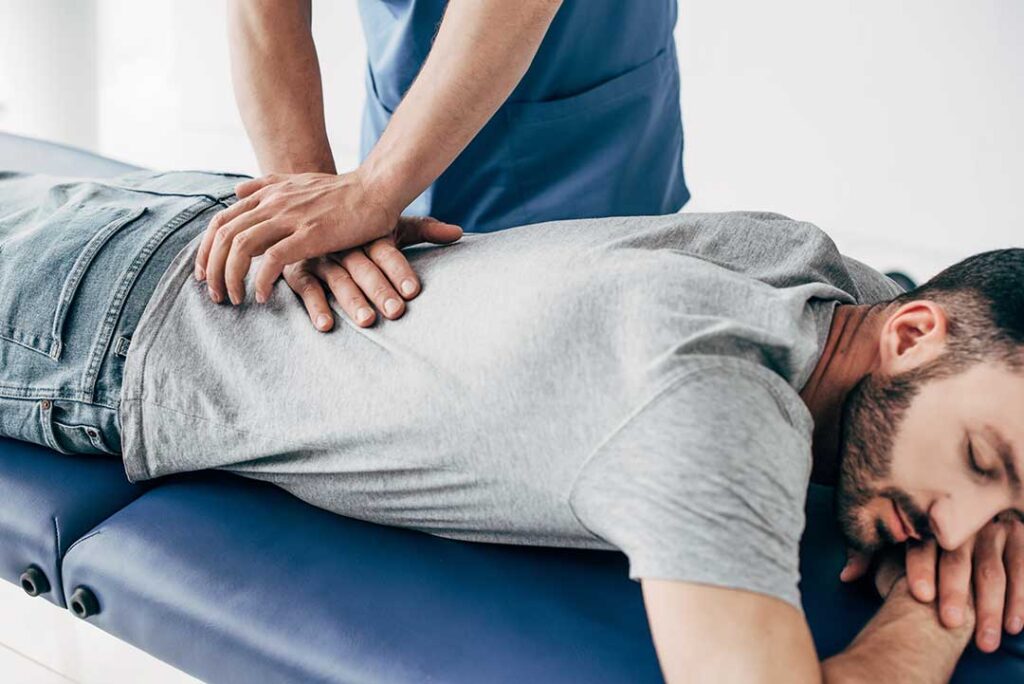
Chiropractic adjustments involve gentle, controlled manipulation of the spine or joints to improve mobility, reduce discomfort, and support the body’s natural ability to maintain balance. For many, the goal is to decrease tension, restore normal movement, and promote better function of the nervous system.
Local chiropractors in Highlands may focus on the lower back and pelvic regions when seeing someone with PMS complaints, as these are spots where discomfort or referred pain often arise.
Is There Evidence Supporting Chiropractic Care for PMS?
There is limited scientific data directly linking spinal adjustments to changes in PMS symptoms. Some studies suggest possible benefits for related issues like lower back pain, muscle tightness, and headaches. These symptoms can feel more intense in the days before a menstrual cycle begins. Research has not conclusively proven that chiropractic care can address the full spectrum of PMS symptoms, such as mood changes or bloating.
That said, some individuals in diverse communities like Highlands report less severe muscle tension or experience a sense of relaxation following adjustments, which may help them better cope with other PMS symptoms.
What Might Residents Realistically Expect?
Those exploring chiropractic options should know:
- Relief may focus on musculoskeletal symptoms such as back pain, neck tension, or overall stiffness.
- Adjustments are unlikely to directly change hormonal components or emotional swings of PMS.
- Some people notice improved sleep or overall comfort, which can indirectly ease the PMS experience.
Locals should have clear conversations about goals and any other health conditions before starting care.
Are There Risks or Restrictions?
Chiropractic adjustments are considered low-risk for most healthy adults. However, certain conditions – such as pregnancy, recent injury, or known spinal issues – mean extra care is needed. Highlands residents should always provide a thorough health history and mention all symptoms. Chiropractic care should never substitute for regular gynecological visits or prescribed medications.
How Might Seasonal Patterns in Highlands Affect PMS and Chiropractic Experiences?
Seasonal changes in northeastern communities like Highlands can play a role in both PMS perception and the appeal of chiropractic care:
- Cold winters and reduced daylight may heighten feelings of sluggishness or mood dips associated with PMS.
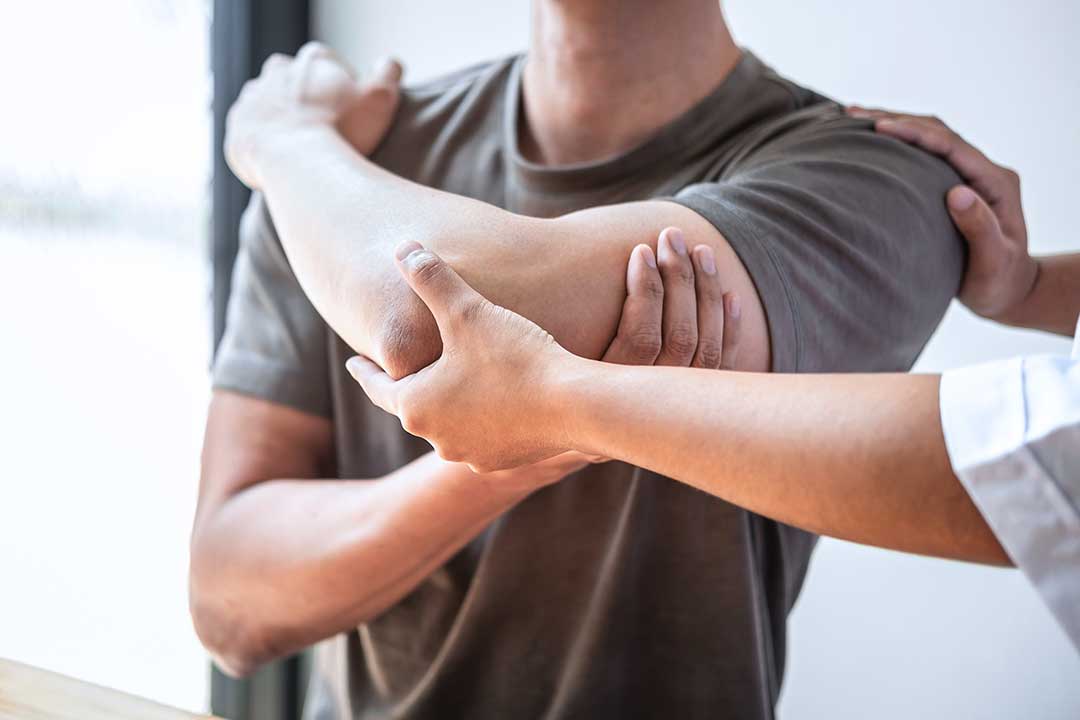
- Locals often experience increased muscular stiffness in winter, making gentle manual therapies appealing for comfort.
- Much of the population spends more time indoors during winter, where appointment-based wellness approaches fit easily into routine.
Understanding local lifestyle patterns can help area residents decide if non-drug pain relief methods feel practical during months with harsher weather.
What Practical Self-Care Steps Complement Chiropractic Care?
Focusing on well-rounded self-care can maximize comfort during the premenstrual phase. In addition to any manual therapy:
- Stay active with indoor movement routines common in Highlands homes (such as stretching, yoga, or gentle walks if weather allows)
- Use heat packs for back or abdominal discomfort
- Maintain regular sleep habits and moderate caffeine or sugar intake
- Balance stress by engaging in relaxing indoor activities, especially during the coldest weeks
These habits, combined with support from local resources, may help reduce the overall impact of PMS.
Common Misconceptions About Adjustments and PMS
There’s a belief that a single adjustment can “cure” PMS. In practice, most people who visit chiropractors in communities similar to Highlands do so for ongoing management of specific symptoms, not as a replacement for medical or hormonal care. Manual therapies are better understood as one option within a wider set of self-care practices.
