
 See Our Latest Article on HelloNation
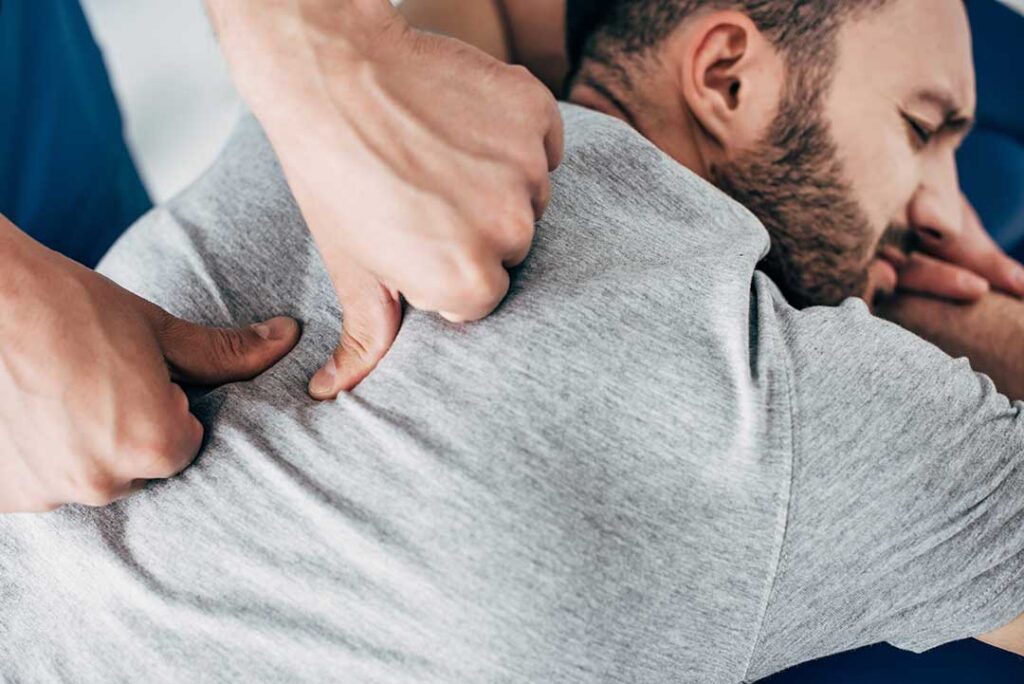
A minor back strain often follows lifting, twisting, reaching, prolonged sitting, or an activity the body is not used to. Most uncomplicated strains improve with time and sensible home care, but the goal is not complete bed rest. Gentle movement, comfortable positioning, and gradual return to normal activity usually support recovery better than staying still for long periods.
How can a minor back strain be recognized?
A back strain usually causes localized soreness, tightness, or aching in the muscles and soft tissues near the spine. The discomfort may become more noticeable when standing up, bending, turning, coughing, or using the affected muscles.
A minor strain is more likely when:
- Pain began after lifting, shoveling, yard work, exercise, or an awkward movement.
- The discomfort stays mainly in the back rather than traveling down the leg.
- There is stiffness but no significant numbness, weakness, or loss of coordination.
- Symptoms gradually begin to ease with rest from aggravating activity.
Back pain can have many causes, however. A home-care approach is most appropriate when symptoms are mild, familiar, and improving.
Should ice or heat be used first?
Either cold or heat may provide relief, depending on the stage of the strain and the type of discomfort. Cold can be useful during the first day or two after a sudden injury, particularly if the area feels irritated or mildly swollen. Heat may be more comfortable when muscle tightness and stiffness are the main problems.
For safe use:
- Wrap an ice pack or a bag of frozen food in a thin towel. Do not place ice directly on the skin.
- Apply cold for about 15 to 20 minutes, then allow the skin to return to its normal temperature.
- Use a warm shower, warm compress, or heating pad on a low or moderate setting for short periods.
- Do not fall asleep on a heating pad.
- Stop if the skin becomes numb, unusually red, painful, or irritated.
Some people prefer alternating warmth and cold. The most useful choice is the one that reduces discomfort without making symptoms worse.
Is bed rest helpful for a strained back?
Extended bed rest is usually not helpful for a minor strain and may increase stiffness. It is reasonable to reduce activity for a day or two, but gentle movement should continue as tolerated.
Short, easy walks around the home or neighborhood can help prevent the back from tightening. Change positions regularly rather than remaining seated for hours. If walking increases the pain sharply, shorten the distance and try again later.
Avoid activities that clearly worsen symptoms, including:
- Heavy lifting
- Repeated bending from the waist
- Forceful twisting
- High-impact exercise
- Sudden reaching or pulling
- Carrying uneven loads on one side
For residents managing winter chores or seasonal yard work, snow shoveling, wet leaves, firewood, and gardening can place sudden demands on the low back. Breaking tasks into smaller periods and stopping before fatigue sets in can reduce additional strain.
What sleeping positions may be more comfortable?
There is no single best sleeping position, but supporting the hips and knees can reduce tension.
People who sleep on their backs may feel more comfortable with a pillow under the knees. Side sleepers can place a pillow between the knees to keep the hips more level. A supportive mattress should feel comfortable without forcing the spine into an exaggerated position.
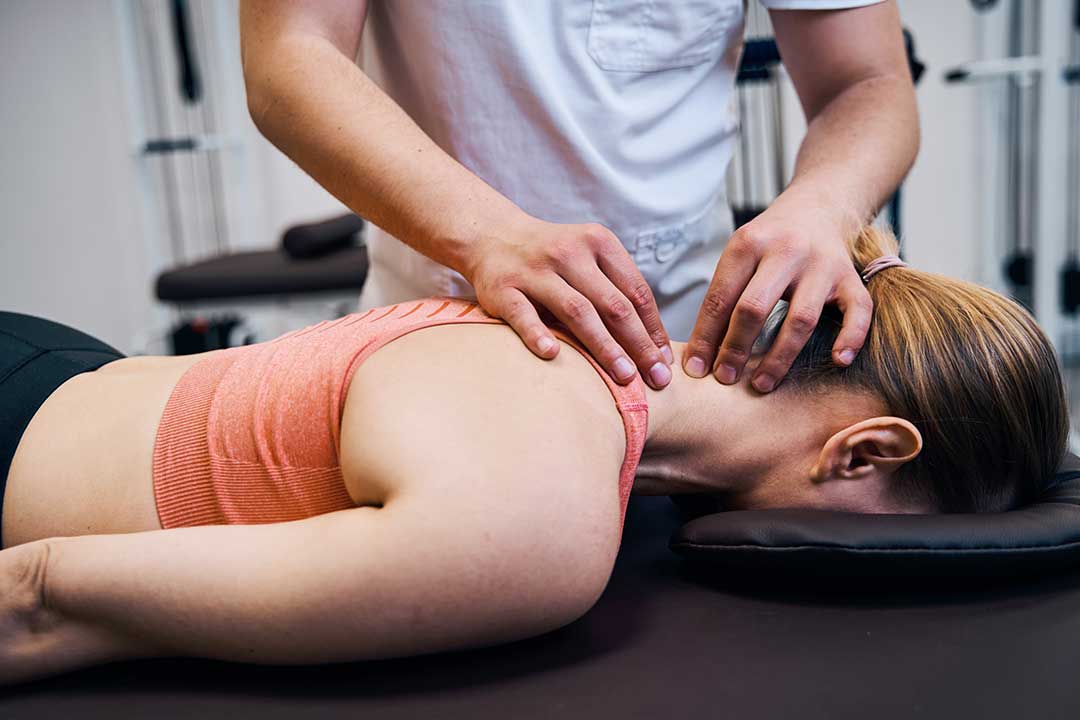
Getting out of bed can also be easier by rolling onto one side first, bringing the legs toward the edge, and pushing up with the arms instead of sitting straight up from the waist.
Can over-the-counter medicine help?
Over-the-counter pain relievers may reduce discomfort enough to make walking and normal daily movement easier. Acetaminophen and anti-inflammatory medicines such as ibuprofen or naproxen are commonly used, but they are not appropriate for everyone.
Read the label carefully and avoid taking more than the recommended amount. Ask a pharmacist or healthcare professional before using these medicines if there is a history of stomach ulcers, kidney disease, liver disease, uncontrolled high blood pressure, bleeding problems, medication allergies, pregnancy, or blood-thinning medication use.
Do not combine multiple products that contain the same active ingredient. Pain medicine should support safe movement, not make it easier to continue an activity that is causing injury.
Which stretches are safe?
Stretching should feel mild and controlled, not forceful. During the first several days, gentle walking and comfortable changes in position may be better than a formal stretching routine.
If movement feels helpful, try slow activities such as:
- Lying on the back with knees bent and gently rocking the knees a small distance from side to side.
- Bringing one knee slightly toward the chest while keeping the movement comfortable.
- Taking a brief walk and gradually increasing the distance as symptoms settle.
Stop any stretch that causes sharp pain, new tingling, numbness, or pain that travels farther into the buttock or leg. Avoid bouncing, forceful rotation, and trying to “push through” a painful restriction.
How long should a minor strain take to improve?
Many minor strains begin to improve within several days and continue settling over the next few weeks. Recovery is often uneven: a better morning may be followed by more soreness after too much activity.
A gradual return is safer than testing the back with a sudden heavy task. Resume household work in stages. For example, a person may begin with light meal preparation, progress to short errands, and postpone lifting laundry baskets, moving furniture, or vigorous outdoor work until ordinary movements are comfortable.
If symptoms are not improving after one to two weeks, keep returning, or interfere with sleep and everyday activities, an evaluation can help determine whether the problem is more than a simple strain.
When is back pain an emergency?
Seek urgent medical attention for back pain accompanied by new loss of bladder or bowel control, numbness around the groin or inner thighs, significant weakness in a leg, inability to walk normally, or rapidly worsening symptoms.
Prompt evaluation is also appropriate when back pain follows a serious fall or collision, occurs with fever, unexplained weight loss, severe abdominal pain, a history of cancer, or pain that is intense and constant even while resting.
Pain that travels down a leg, especially with tingling, numbness, or weakness, may involve an irritated nerve rather than an isolated muscle strain. That does not always indicate an emergency, but it should not be treated as ordinary soreness if it is worsening or affecting strength.
Home care is reasonable for a mild, improving strain. The safest approach is to protect the back from aggravating loads, keep moving gently, use heat or cold for comfort, and monitor the pattern of symptoms rather than focusing only on pain intensity.
